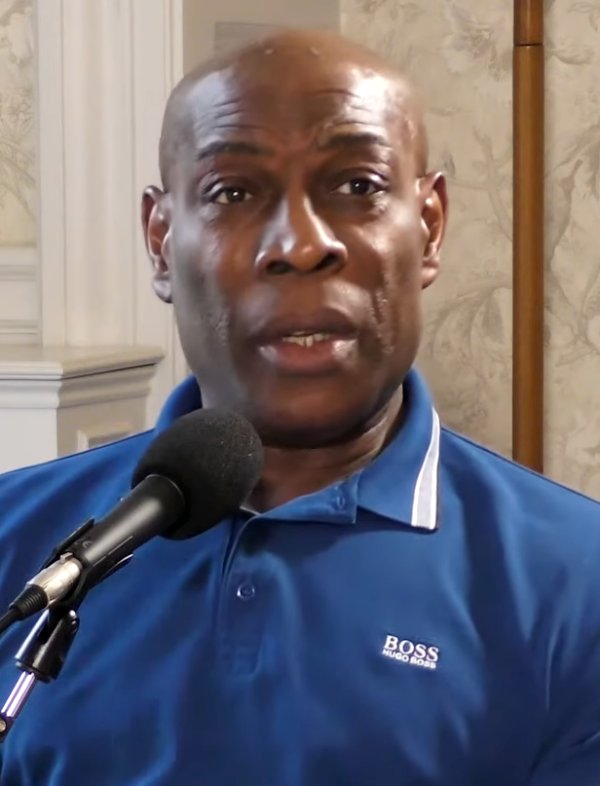
Franklin Roy Horatio Bruno began boxing at Wandsworth Boys Club at age nine, and by 18 had become the youngest-ever ABA heavyweight champion, representing Young England in an amateur career in which he lost just once in 21 bouts before turning professional in 1982.
Bruno built a formidable professional reputation, winning the European Heavyweight title in 1985, but suffered painful defeats in three previous world title attempts against James 'Bonecrusher' Smith, Tim Witherspoon and Mike Tyson, the last of which required surgery for a detached retina.
After Lennox Lewis defeated Bruno in 1993 in the first all-British world heavyweight title fight, Bruno continued pursuing the world championship that had eluded him through four previous attempts, finally securing his breakthrough two years later.
On 2 September 1995, Bruno defeated Oliver McCall on points at Wembley Arena to become WBC Heavyweight World Champion, the pinnacle of a career that had seen him fall short so many times before, making him only the third British boxer to hold a version of the world heavyweight title in the modern era.
Bruno's reign proved short-lived when Mike Tyson knocked him out in the third round of their rematch in March 1996, ending Bruno's professional career; in the years since, Bruno has become one of Britain's most prominent advocates for mental health awareness, openly discussing his own experiences and continuing to be celebrated as one of British boxing's most beloved figures.
- WBC Heavyweight World Champion, 1995
- European Heavyweight Champion, 1985
- Youngest-ever ABA heavyweight champion, aged 18
- Won 38 of his 40 professional victories by knockout
- Prominent public advocate for mental health awareness
- Persistence through repeated defeat can still lead to triumph. Bruno's fourth world title challenge, after three painful prior defeats, finally delivered the WBC championship.
- Public figures sharing personal struggles can reshape national conversations. Bruno's openness about his own mental health experiences has made him an influential voice in British mental health advocacy.